How to choose
Choosing a tent for New Zealand tracks
Wind, rain and the ground you can actually peg into decide this, not the sleeping capacity on the label. What to settle before you compare tents, in NZD.
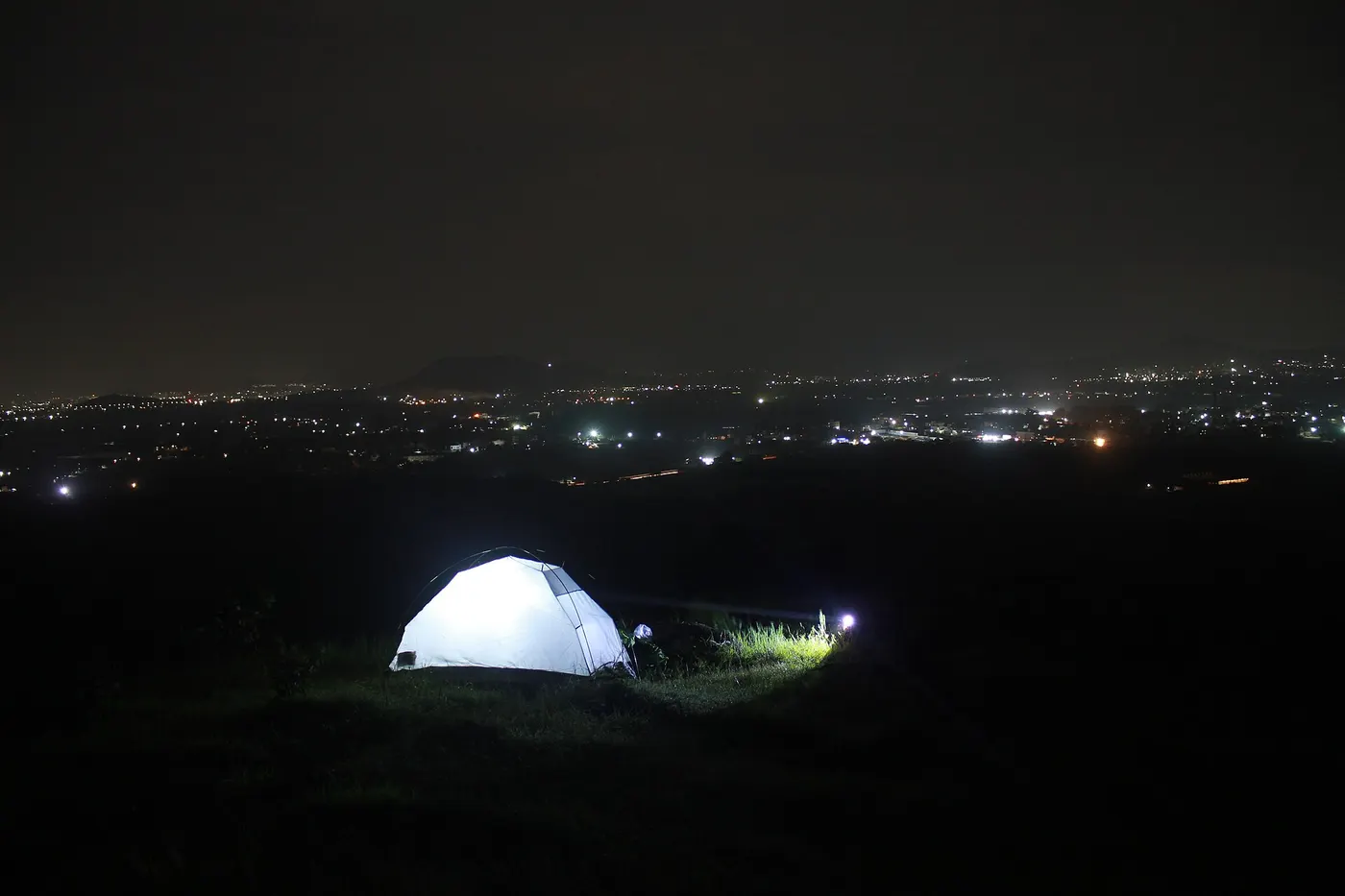
A tent bought for a fine weekend is a different object from a tent bought for New Zealand weather. The Department of Conservation says plainly that in Fiordland National Park cold temperatures, snow, strong winds and heavy rain can occur at any time of the year, and that the park experiences very high rainfall of up to 9000 mm a year.
That one sentence settles most of the specification. This guide works through the four things it implies — wind resistance, how the tent handles water from both sides, what you can peg into, and whether a tent is the right answer at all on a track with huts. Every price is an example in New Zealand dollars used to show arithmetic; prices here include GST and no live pricing is connected to this site.
Wind first, because wind is what breaks tents
Rain gets into a badly designed tent. Wind destroys a well designed one that was pitched wrong, and on exposed tops that is the realistic failure. The things that resist it are pole geometry, the number of guy points and whether the fly reaches the ground, not the fabric's waterproof rating.
A crossed-pole dome with four or more guy points sheds a side wind in a way a single-hoop tunnel cannot unless the tunnel is pitched tail into the wind. Tunnels are lighter and roomier for the weight, and they are directional: pitch one side-on and it flattens. If the trips involve open tops rather than sheltered bush, the dome is the forgiving choice.
Count the guy points and the pegs supplied, then buy more pegs. Most tents ship with the minimum, and the difference between a tent that stands and one that does not is usually four extra guys tensioned before you go to sleep rather than after the wind starts.
| Structure | Strength | Weakness | Suits |
|---|---|---|---|
| Crossed-pole dome | Stable from any direction, free standing | Heavier for the floor area | Open tops and exposed camps |
| Single-hoop tunnel | Lightest for the space inside | Must be pitched end into the wind | Sheltered bush sites and valley floors |
| Geodesic, three or more poles | Holds up under snow loading | Heaviest and slowest to pitch | Alpine and shoulder-season trips |
| Trekking-pole shelter | Very light, no tent poles to carry | Needs good pegging ground and tension | Low-level summer tracks |
Free standing means the tent holds its shape without pegs, which is what lets you pitch on rock or a wooden platform. It does not mean you can leave it unpegged.
Rain from outside and condensation from inside
Waterproofness is quoted as a hydrostatic head in millimetres, and the conventional bands are around 1500 mm for a light fly and 3000 mm or more for a serious one, with floors usually rated higher than flies because you kneel on a floor. Those are industry conventions rather than a figure any New Zealand regulator sets, so treat them as a way to compare two products, not as a guarantee.
The water that actually soaks people is usually condensation. A single-skin shelter in still, humid air collects moisture on the inside and drips it onto the sleeping bag, and Fiordland's rainfall of up to 9000 mm a year tells you how humid the air around these tracks can be. A double-skin tent with a fly separated from the inner, and vents at both ends, moves that moisture to a surface you are not touching.
Seam sealing is the third thing and the one that degrades. Factory-taped seams last years; the tape then lifts at the ridge first. A tube of seam sealer costs an example $20 and a wet evening of regret costs a trip, so check the seams at home before each season rather than at the first hut.
- Double skin with a separate fly handles condensation far better than a single skin
- Vents at both ends matter more than a high waterproof rating in still, humid air
- Floors are normally rated higher than flies, because body weight forces water through
- Check factory seam tape at the ridge each season; it lifts there first
- A fly that reaches the ground keeps wind-driven rain out of the inner
What you can actually peg into
Pegs are chosen for the ground, and New Zealand camping ground varies from soft bush litter to tussock to bare rock within a single day's walk. Thin wire pegs hold in firm soil and pull straight out of soft ground; wide V or Y section pegs hold in soft ground and bend on stone; nothing holds in rock, which is where a free-standing tent and rocks piled on the guys do the job instead.
Carry two types. An example $25 buys a mixed set, and the weight penalty of six extra pegs is far smaller than the weight penalty of carrying a tent you cannot pitch. Designated campsites on managed tracks are often hardened or platformed, which is exactly the surface a trekking-pole shelter struggles with.
Practise the pitch in the garden once before the trip. A tent you have pitched before goes up in a few minutes in the rain; one you have not can take 20 minutes and all of your remaining patience.
| Ground | Peg that holds | What fails |
|---|---|---|
| Firm soil and gravel | Thin wire or pin peg | Wide pegs are hard to drive |
| Soft bush litter and sand | Wide V or Y section peg | Wire pegs pull straight out |
| Tussock and matted grass | Long peg driven at an angle | Short pegs lift with the root mat |
| Rock or a wooden platform | No peg; rocks on the guys, or platform ties | Everything, which is why free standing matters |
Carry at least two peg types on any trip that crosses from bush to open ground, because the pitch you end up using is rarely the one you planned.
Whether you need a tent at all on a Great Walk
On a Great Walk the tent competes with the hut, and the hut fees are published. DOC's Great Walks pricing lists summer hut fees per person per night for New Zealand adults ranging from $44 on the Heaphy and the Tongariro Northern Circuit, through $55 on the Abel Tasman and $88 on the Routeburn and the Kepler, to $106 on the Milford. Great Walks campsites for a New Zealand adult run $19 to $28 per person per night in summer.
Those are the numbers that decide whether a $600 tent earns its place. On tracks where camping is offered, the per-night gap between hut and campsite is substantial and the tent pays for itself over a few seasons. On the Milford, which DOC describes as walkable in one direction only over 3 nights and 4 days, the hut is the arrangement the track is built around.
International visitors pay more: DOC's summer rates for international adults are $66 on the Heaphy and the Tongariro Northern Circuit, $84 on the Abel Tasman, $132 on the Routeburn and the Kepler, and $152 on the Milford, with Great Walks campsites at $28 to $42. Bookings for the Milford's 2026/27 season cover 1 November 2026 to 30 April 2027.
If a pole snaps or a fly delaminates early in a tent's life, the Consumer Guarantees Act applies underneath whatever warranty the maker offers. Consumer Protection New Zealand states that products must be safe, durable, free from defects and last a reasonable time, and that the Act cannot be signed away by a store or manufacturer warranty. A substantial failure entitles you to reject the product for a refund or replacement; a minor one is the retailer's choice of repair, replacement or refund at no cost.
Settle it in this order
Decide where you will camp before you decide what you will camp in. Exposed tops and shoulder season push you towards a dome or geodesic with a full-length fly. Sheltered bush sites and summer weekends open up tunnels and trekking-pole shelters, which are lighter and cheaper for the same floor area.
Then check the hut fees for the tracks you actually walk. A tramper who does two Great Walks a year and sleeps in huts is buying a tent for the trips in between, which is a different tent from the one a Great Walk camper needs.
- Write down whether your usual camps are bush, valley floor or open tops
- Choose structure for the worst of those, not the most common
- Confirm the fly is a separate skin and that there are vents at both ends
- Count the guy points, then buy extra pegs in at least two types
- Compare a season of DOC hut fees against the tent price before buying
- Pitch it at home once before the first trip of the season
Before you buy
- Write down whether your usual camps are sheltered bush, valley floor or open tops
- Choose the structure for the most exposed camp you will use, not the most common one
- Confirm the tent is double skin with vents at both ends and a fly that reaches the ground
- Count the guy points and buy extra pegs in at least two types for soft and firm ground
- Check factory seam tape at the ridge before each season and carry seam sealer
- Compare the tent price against a season of DOC hut and campsite fees for your tracks
- Pitch the tent at home before the first trip so the wet pitch is not the first one
Questions readers ask
- Is a three-season tent enough for New Zealand?
- On low-level summer tracks, usually. DOC warns that in Fiordland cold temperatures, snow, strong winds and heavy rain can occur at any time of year, so on the tops the season label stops being a useful guide. The practical substitute is pole count and fly coverage: more poles and a fly to the ground handles weather that a two-pole summer tent will not.
- How much should a first tent cost?
- Enough to get a double skin, a full-length fly and four or more guy points, which on current New Zealand retail is commonly a few hundred dollars for a two-person tent. Against DOC hut fees of $44 to $106 per adult per night on a Great Walk, a tent used on ten nights a year pays for itself quickly where camping is offered.
- Do I need a footprint or groundsheet?
- It protects the floor from abrasion and adds 200 to 400 g. On gravel and rock it extends the floor's life by years; on bush litter it mostly adds weight. A cut-down builder's plastic sheet does the same job for a few dollars, provided you trim it inside the floor edge so rain cannot pool between the layers.
- Two-person or three-person for two trampers?
- A three-person tent gives two people room for wet packs inside and adds roughly 500 to 900 g. On trips where it rains for days that space changes the experience more than any other upgrade. On fast summer trips the weight is better spent elsewhere, which is why many trampers end up owning both.
Sources
- Department of Conservation — Milford Track, Fiordland National Park (3 nights and 4 days in one direction; Fiordland rainfall up to 9000 mm a year; cold, snow, strong winds and heavy rain can occur at any time of year; 2026/27 bookings 1 November 2026 to 30 April 2027) — checked 2026-11-03
- Department of Conservation — Great Walks pricing (summer hut fees per person per night, NZD including GST, for New Zealand and international adults; Great Walks campsite fees) — checked 2026-11-03
- Consumer Protection New Zealand — the Consumer Guarantees Act (products must be safe, durable, free from defects and last a reasonable time) — checked 2026-11-03
Some links on this site can earn us a commission. That does not change which product a guide recommends, and it adds nothing to your price. Advertising is not enabled on this site yet. When it is, ads will be labelled and kept visually separate from the guides.